If you have ever stood in front of a paint display wondering why the same color looks completely different from one can to the next, you are not alone. The debate around satin paint vs. matte paint comes up on nearly every interior project we see, especially when homeowners are making decisions for walls, trim, and even oak kitchen cabinets.
Paint sheen is not just about shine. It affects how a surface wears over time, how light moves through a room, and how forgiving the finish will be once life starts happening.
Below, we break this down in plain language so you can feel confident about your choice without overthinking it.
Key Takeaways:
- Satin paint vs. matte paint comes down to use, not style alone. Satin handles moisture and cleaning better, while matte softens walls and hides surface flaws.
- High-traffic areas favor satin paint. Kitchens, bathrooms, hallways, and oak kitchen cabinets benefit from its tougher surface and easier cleanup.
- Matte paint works best on low-contact surfaces. Living rooms, bedrooms, and ceilings gain a smoother, calmer look with fewer visible imperfections.
- Lighting changes everything. Satin reflects light and can highlight texture, while matte absorbs light and creates a more muted feel.
- Longevity depends on matching sheen to the space. The right finish reduces wear, touch-ups, and repainting over time.

Why Paint Sheen Matters More Than Color Alone
Color tends to get all the attention, but sheen quietly does a lot of heavy lifting. Satin paint vs. matte paint is less about which one looks better on day one and more about how the surface holds up after months and years of use.
Sheen influences a few practical things right away. It impacts how light reflects, how easily the surface can be cleaned with water, and how visible flaws in drywall, wood, or masonry will be. This is especially noticeable on large wall surfaces, window trim, siding accents, and oak kitchen cabinets that get handled daily.
If you have ever noticed scuff marks, fingerprints, or uneven texture showing through paint, sheen was likely part of that outcome.
Starting With Satin Paint and Where It Tends To Shine
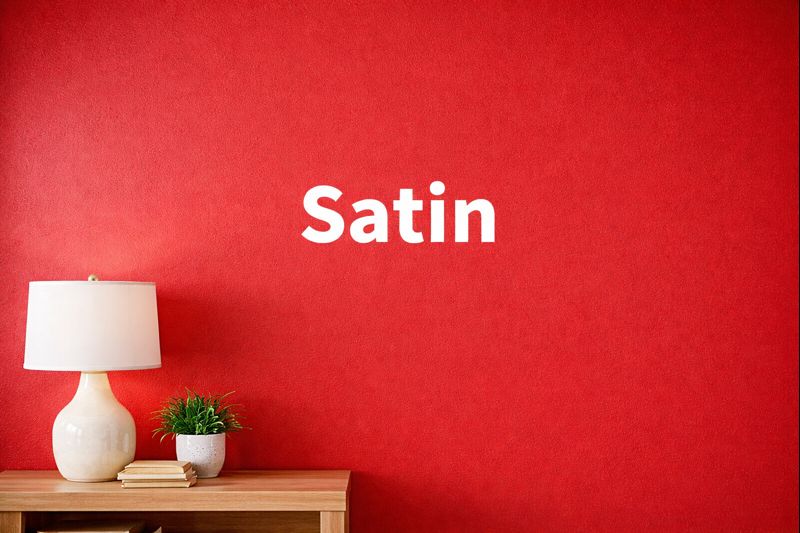
Satin paint sits comfortably between flat finishes and glossier options. It has a soft glow rather than a sharp gloss, which gives it flexibility across many rooms and surfaces.
In homes, satin paint is often selected for areas that see regular contact. Hallways, kitchens, bathrooms, doors, and trim all benefit from the added durability. This includes oak kitchen cabinets where light reflection helps highlight wood grain without feeling flashy.
What satin paint does well:
- Handles frequent wipe downs without breaking down the coat
- Resists moisture better than flatter finishes
- Works across walls, trim, and cabinetry
- Adds subtle depth to most color schemes
Because satin contains more binders, it forms a slightly tougher surface. That added structure improves adhesion and longevity, especially when paired with the right primer and surface prep. This becomes important in kitchens, near windows, and anywhere mildew or humidity could become an issue.
That same structure also means satin paint can show surface flaws more easily. Uneven drywall, patchwork repairs, or heavy texture can stand out once light hits the wall.
Where Matte Paint Fits Into The Conversation
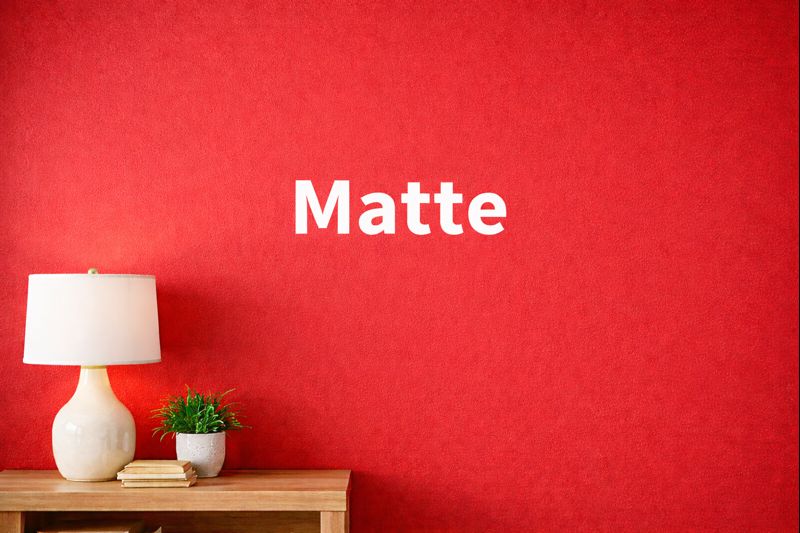
Matte paint lives on the opposite end of the sheen scale. It has little to no shine and absorbs light rather than reflecting it. That makes it a popular choice for walls and ceilings where a softer look is preferred.
In the satin paint vs. matte paint discussion, matte tends to win when hiding imperfections is the top goal. Older homes with patched plaster, subtle waves in drywall, or repaired concrete surfaces often benefit from a flatter finish.
Matte paint works well in:
- Bedrooms and living rooms
- Dining areas with controlled lighting
- Ceilings and low-contact walls
- Spaces where texture needs to fade into the background
Matte finishes also give colors a rich, velvety appearance. Deep tones often look fuller in matte than satin. If you have ever questioned how much a color may shift once it dries, that question connects closely to sheen. We often reference does paint dry darker or lighter when explaining this difference during color selection.
The tradeoff is durability. Matte paint does not like repeated cleaning. Frequent scrubbing can leave shiny spots or wear through the coat. Because of that, matte is rarely a good fit for oak kitchen cabinets, trim, or high traffic areas.
Satin Paint Vs. Matte Paint Difference
Durability And Daily Wear Over Time
Durability is where satin paint vs. matte paint separates most clearly. Satin holds its structure under pressure. Matte sacrifices toughness for appearance.
Satin paint:
- Better resistance to scuffs and marks
- Holds up to moisture near windows and doors
- Suitable for kitchens, bathrooms, and laundry rooms
Matte paint:
- More vulnerable to abrasion
- Prone to burnishing from repeated contact
- Best kept away from high-use surfaces
This difference matters on oak kitchen cabinets, stair railings, and entryway walls where hands, bags, and furniture make regular contact. Satin creates a more forgiving surface long term, even if it asks for better prep upfront.
How Light Changes The Look Of Each Finish
Lighting plays a big role in how paint behaves once it is on the wall. Natural light, overhead fixtures, and even reflections from windows can change the appearance of both satin and matte finishes.
Satin paint reflects light, which can help brighten darker rooms. However, too much reflection can exaggerate surface inconsistencies. Rooms with large windows, high sun exposure, or glossy flooring tend to highlight satin more aggressively.
Matte paint absorbs light, creating a softer visual effect. This works well in rooms meant for comfort or calm. In smaller or dim spaces, though, matte can make the room feel more closed in.
This is also why tools like paint color visualizers come up during planning. Seeing how sheen interacts with color and light before painting can help avoid surprises later.
Texture And Surface Feel You Can Actually Notice
Beyond looks, sheen affects how a painted surface feels to the touch. Satin paint has a slightly slick surface because of its resin content. Matte paint feels smoother and almost chalky.
On oak kitchen cabinets, satin enhances wood texture while still sealing the surface. On walls, matte softens visual noise and keeps attention on furnishings and layout rather than the paint itself.
Texture also ties into prep. Surfaces with heavy patching, stucco-type finish, or repaired masonry generally look more consistent with matte paint. Smooth drywall, properly sanded wood, and well-primed trim can carry satin paint without issue.
Cost Differences And What Drives Them
Price differences between satin paint vs. matte paint exist, but they are not dramatic. Satin usually costs a bit more per gallon due to added binders and resins.
That difference often becomes less meaningful when weighed against performance. Using matte in a high-traffic area may require repainting sooner. Satin may cost more upfront but reduce maintenance down the line.
Paint quality also matters here. We often explain the role of solids, volatile organic compound levels, and coverage when discussing cheap paint vs. premium paint. Sheen alone does not tell the full story.
Where Each Finish Works Best Inside A Home
Instead of thinking in absolutes, it helps to match sheen to function.
Satin paint works well for:
- Oak kitchen cabinets
- Bathrooms and kitchens
- Trim, doors, and windows
- High traffic walls and hallways
Matte paint fits best for:
- Bedrooms and living rooms
- Ceilings
- Formal dining spaces
- Large wall areas with surface flaws
Both finishes rely heavily on proper surface prep, primer selection, and application technique. That includes addressing adhesion issues, sealing wood, managing moisture near siding or brick, and accounting for existing coatings.
We often tie this back to paint adhesion when explaining why some finishes last longer than others.
A Thoughtful Finish Makes Every Surface Work Harder
Choosing between satin paint vs. matte paint is not about trends. It is about how your home actually functions day to day. Light, traffic, moisture, surface condition, and even surrounding materials like brick, concrete, siding, or porch flooring all play a role.
The right sheen supports the space rather than fighting it. When paired with quality paint, sound prep, and the right color scheme, the finish quietly does its job year after year.
How Our Team Approaches Paint Finish Selection
At Heinemann Painting, our process starts long before the first coat goes on. As expert painters in Greenacres, WA, we look at how each surface is used, how light moves through the space, and how finishes will age over time.
Our approach includes:
- Evaluating surface condition and existing coatings
- Selecting primer and paint systems based on adhesion and environment
- Matching sheen to use, not just appearance
- Applying controlled coats for consistency and longevity
This applies across walls, trim, oak kitchen cabinets, and specialty areas like exterior accents, porch ceilings, or masonry features.
Final Thoughts On Choosing The Right Paint Finish
Choosing between satin paint vs. matte paint comes down to function, lighting, and long-term wear. Satin offers durability and easy maintenance, while matte provides softness and hides surface flaws. Oak kitchen cabinets almost always benefit from satin, while living spaces often shine with matte on walls. When sheen matches how a room is used, paint performs better and lasts longer. Thoughtful planning prevents early wear and uneven results. That is where professional guidance makes a measurable difference.
If you are planning a painting project in Greenacres, Newman Lake, Spokane, or the surrounding areas, call us at 509-287-4324 for a FREE estimate. Our team at Heinemann Painting will help you choose the right finish for every surface in your home.