Your kitchen is the heart of your home, but nothing ruins its polished look faster than chipped and scratched painted cabinets. Even minor dings can make cabinets appear old and worn before their time. Worse, scratches that expose the wood beneath the paint can lead to moisture damage and further peeling if left untreated.
Many homeowners hesitate to attempt DIY repairs, fearing they’ll make the problem worse. The good news? You don’t need a full repaint to restore your cabinets.
A quality touch-up kit can fix minor damage quickly and affordably, bringing your cabinets back to life without the hassle of a full refinishing project.
Understanding Cabinet Damage: What Can Be Fixed with a Touch-Up Kit?
What Causes Chips and Scratches on Painted Cabinets?
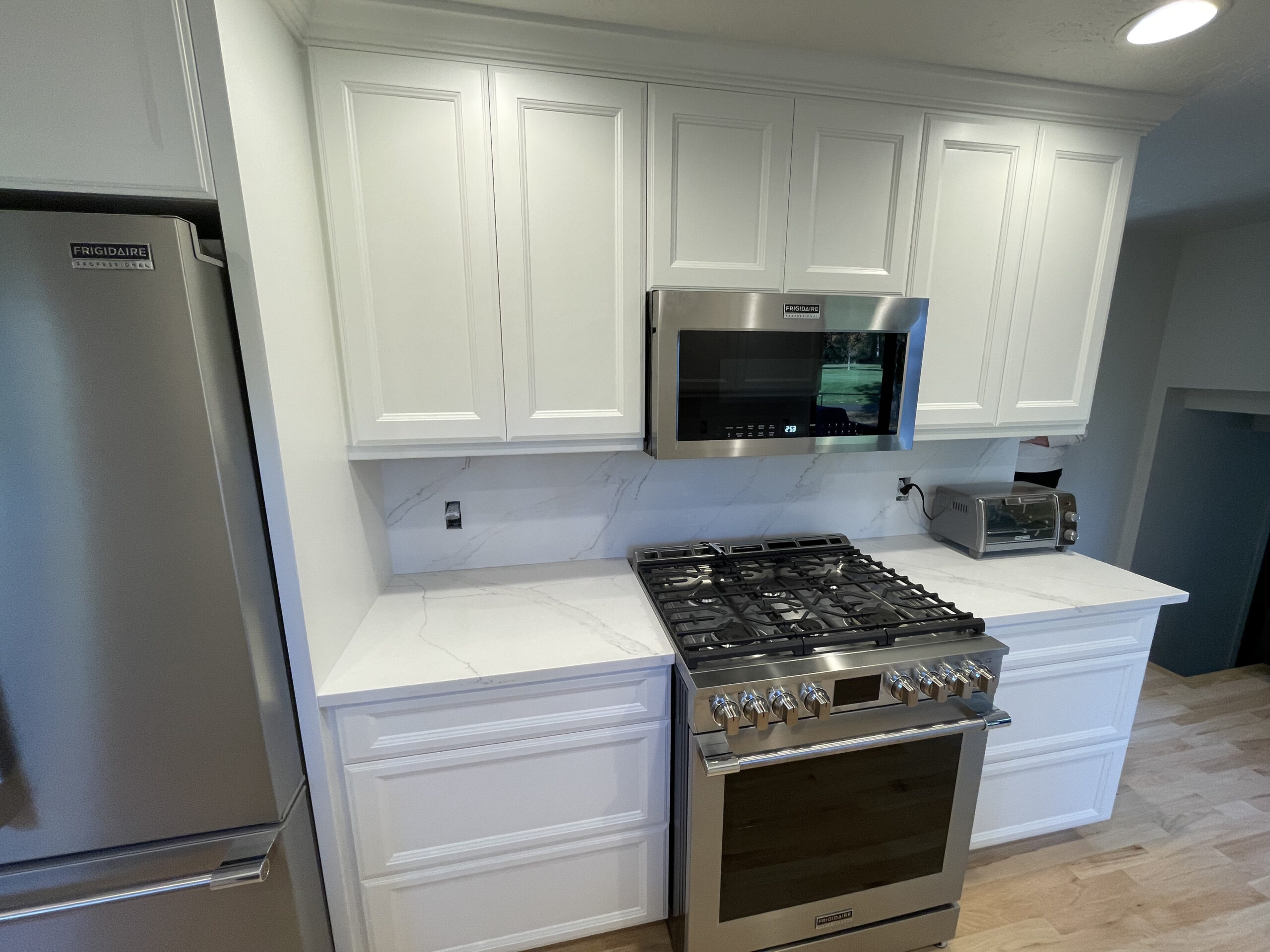
Painted cabinets endure a lot of daily use, making them prone to chips, scratches, and wear over time. Even with high-quality paint, frequent contact with hands, kitchen tools, and household activities can take a toll. Here are the most common reasons your painted cabinets might get damaged:
- Accidental impacts – A swinging pot, a dropped pan, or even a cleaning brush with stiff bristles can leave noticeable dings and chips in the paint.
- Daily wear and tear – The more you use your cabinets, the more friction they experience. Repeated opening and closing, especially in high-traffic areas like the kitchen, can wear down the paint over time. Corners and edges tend to suffer the most.
- Pets and kids – Claws, playful scratches, toy collisions, and tiny fingers prying at the edges can leave behind scuffs and chips.
- Dragging appliances or furniture – Moving a toaster, blender, or even a chair too close to your cabinets can scrape the paint, exposing the wood underneath.
- Moisture exposure – Painted cabinets near sinks or dishwashers can suffer from swelling and paint peeling if water is allowed to sit on the surface too long.
- Harsh cleaning products – Abrasive sponges and strong chemical cleaners can wear away the paint finish, leaving the cabinet surface vulnerable to further damage.
What Types of Cabinet Damage Can a Touch-Up Kit Fix?
A touch-up kit is a great solution for minor cosmetic issues, helping restore your painted cabinets without a full repaint. These kits work best for:
- Surface-level scratches – Light scratches that don’t go through the paint layer can be easily concealed with a touch-up marker or paint pen.
- Small chips – If a cabinet has a tiny area where the paint has chipped off but the underlying wood is still intact, a touch-up kit can fill and blend the damage seamlessly.
- Minor wear on edges and corners – The most common area for wear is along cabinet doors and drawer edges. Touch-up paint can restore these areas and prevent further chipping.
When a Touch-Up Kit Won’t Be Enough
While touch-up kits are useful for small fixes, they can’t restore cabinets with more extensive damage. If your painted cabinets have any of the following issues, you might need professional refinishing:
- Peeling or bubbling paint – If paint is lifting away from the surface, it indicates poor adhesion or moisture damage. A touch-up won’t fix this—repainting or refinishing is necessary.
- Deep gouges and dents – Large, deep scratches or gouges that expose bare wood extensively require more than just a dab of paint. These areas need wood filler, sanding, and a full repaint to ensure durability.
- Multiple layers of damaged paint – If your cabinets have been repainted multiple times and the surface is uneven or cracking, a simple touch-up won’t be enough. A professional refinishing job will strip away the old layers and create a fresh, long-lasting finish.
In these cases, a full refinishing or repainting job will provide better long-term results, ensuring your cabinets look as good as new.
Choosing the Right Touch-Up Kit for Painted Cabinets
What to Look for in a Quality Touch-Up Kit
Not all touch-up kits offer the same results, so choosing the right one is key to restoring painted cabinets effectively. A good kit should include color-matched touch-up paint to ensure seamless blending—either from your cabinet brand or a custom mix. For deeper chips, filler putty or wood filler is essential to create a smooth surface before painting.
A fine-tipped paintbrush or applicator allows for precise touch-ups, while a touch-up marker or wax stick is perfect for quickly concealing small scratches. To protect the repair and prevent future damage, a clear protective topcoat is a must.
Best Touch-Up Kits on the Market
Here are some top-rated options for fixing painted cabinets:
| Product | Best For | Pros | Cons | Best Use |
|---|---|---|---|---|
| Minwax Stain Markers | Minor scratches on wood-based cabinets | ✅ Easy to use and quick application ✅ Comes in various wood tones ✅ Affordable and widely available |
❌ Not ideal for deep chips or large areas ❌ Can wear off over time without a protective topcoat |
Covering surface-level scratches on painted cabinets, especially those with a wood finish or stain |
| Mohawk Fil-Stik Wood Touch-Up Kit | Filling deeper chips | ✅ No drying time needed—simply rub in and buff ✅ Works well on painted and stained surfaces ✅ Wide range of colors for better matching |
❌ Can be difficult to blend perfectly on painted cabinets ❌ May require a topcoat to ensure durability |
Filling small to medium chips in painted cabinets where wood is exposed |
| Rust-Oleum Cabinet Transformation Kit | Larger touch-ups and color matching | ✅ Provides paint and protective coating for durability ✅ Covers wear and tear on larger cabinet areas ✅ Can help restore faded or aged cabinets |
❌ Requires more prep and drying time ❌ Not as precise for small touch-ups |
Refinishing painted cabinets with widespread scratches, discoloration, or dullness |
| Varathane Fill Stick and Paint Pen Set | Blending paint and sealing small damages | ✅ Combines filler and color for a seamless finish ✅ Works well for small chips and scratches ✅ Includes a sealant to protect the repair |
❌ Limited color selection may not match all cabinets ❌ Less effective for deep gouges or large areas |
Fixing minor surface imperfections while ensuring a long-lasting, blended repair |
How to Use a Touch-Up Kit to Fix Chips and Scratches
Preparing the Surface for Repair
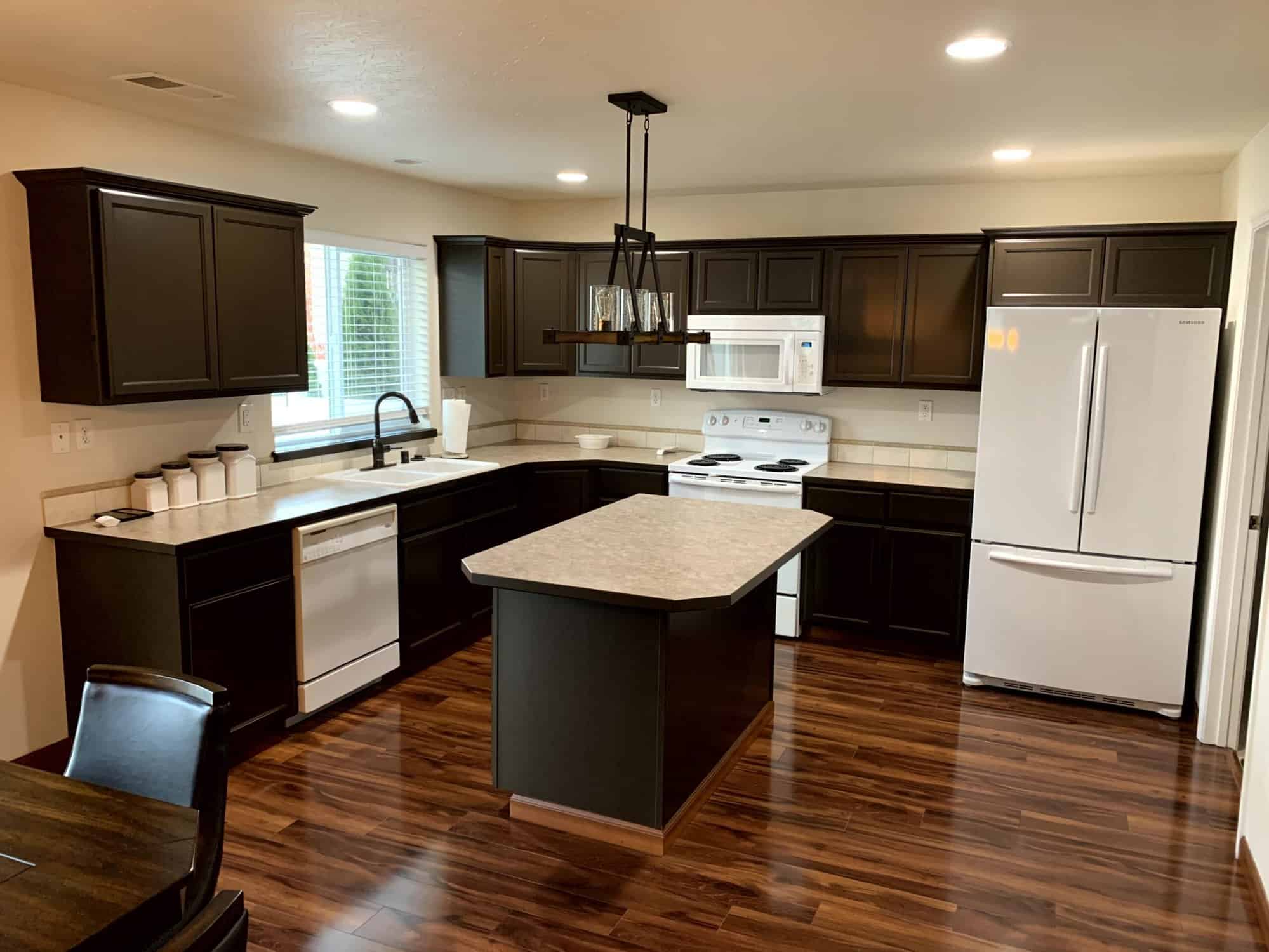
Before applying any touch-up solution, follow these steps for the best results:
- Clean the area first – Use a mild degreaser or soapy water to remove dirt and grease.
- Lightly sand if needed – Fine-grit sandpaper (220-320 grit) smooths rough edges.
- Wipe the surface dry – Use a lint-free cloth to remove dust before applying paint.
Fixing Small Scratches with a Touch-Up Marker
For minor surface scratches, a touch-up marker is the easiest fix:
- Shake the marker well.
- Test on a hidden area to ensure a good color match.
- Apply in the direction of the wood grain for seamless blending.
- Wipe away excess with a soft cloth.
Repairing Chips with Filler and Touch-Up Paint
For deeper chips, follow these steps:
- Apply wood filler to the chipped area using a putty knife.
- Let it dry completely (refer to product instructions).
- Lightly sand the area for a smooth finish.
- Use a fine-tipped brush to apply matching touch-up paint in thin layers.
- Let each coat dry before applying the next to build up coverage.
Sealing the Touch-Up for Long-Lasting Results
Once your repair is complete, protect it by applying a clear topcoat or sealant. Let it fully cure before using the cabinet again to ensure durability.
Tips for Blending and Matching Touch-Up Paint Correctly
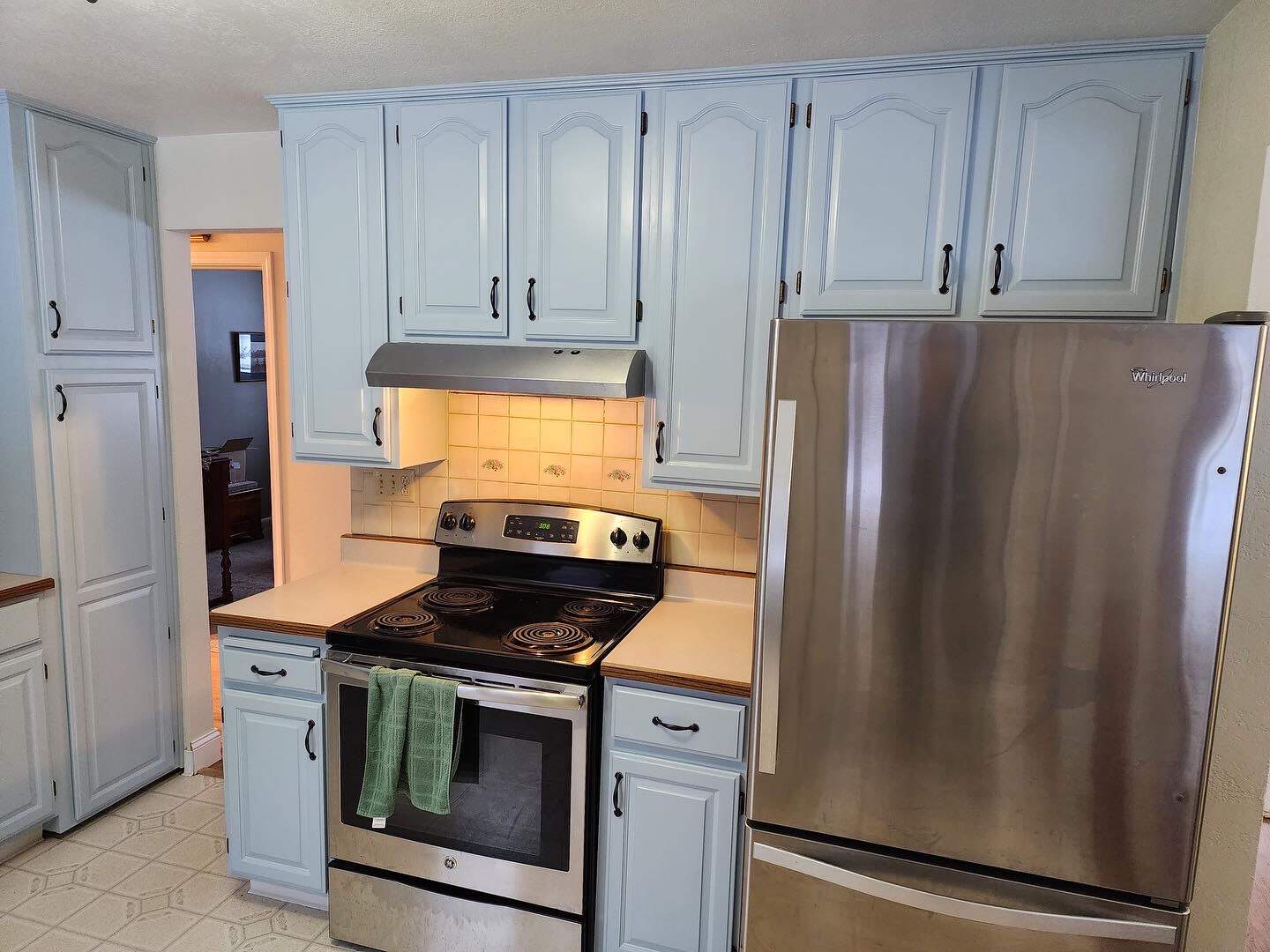
How to Get the Perfect Color Match
- Use leftover paint from the original cabinet job.
- Take a cabinet door to a paint store for a custom color match.
- Always test the touch-up paint in an inconspicuous spot first.
Blending Techniques for a Seamless Look
- Feather the paint outward to blend with the surrounding area.
- Apply multiple thin coats instead of one thick layer.
- Use a foam brush for a smoother application.
How to Avoid Common Mistakes
- Applying too much paint makes touch-ups stand out.
- Skipping sanding before applying filler can lead to a rough finish.
- Not letting paint dry between coats creates uneven patches.
Maintaining Cabinets to Prevent Future Damage
Best Practices for Daily Cabinet Care
Taking care of painted cabinets daily helps maintain their appearance and durability. Soft-close hinges are a great investment to prevent doors from slamming, which can cause paint to chip over time. It’s also important to wipe spills and splatters immediately to avoid stains that may seep into the paint.
When cleaning, always use a soft cloth or sponge—abrasive materials and harsh chemicals can strip the paint and leave the surface vulnerable to damage.
Protective Measures Against Scratches and Chips
To further protect painted cabinets from scratches and chips, consider installing felt bumpers or padding on cabinet doors to reduce impact. Instead of grabbing painted surfaces, use pull handles to minimize wear on high-touch areas.
For long-term durability, applying a clear protective coating once a year can add an extra layer of defense against daily wear and tear.
When to Call a Professional for Cabinet Repairs
While painted cabinets can often be repaired with a touch-up kit, some signs indicate that a DIY fix won’t be enough. If large areas of paint are chipping or peeling, simple touch-ups may not adhere properly or blend well.
Mismatched paint can also be a problem—if the repair stands out rather than blending in, it can make the damage more noticeable. Water damage is another red flag. Warping or swelling caused by moisture can weaken the cabinet structure, requiring more than just a surface-level fix.
In these cases, professional refinishing offers a better long-term solution. Experts provide a factory-quality finish that blends seamlessly with the rest of the cabinetry. They also use stronger, more durable coatings that resist future wear and tear, ensuring the cabinets stay in great shape for years. Plus, custom color matching ensures a flawless, uniform look.
Conclusion: Bring Your Painted Cabinets Back to Life
Touch-up kits provide a simple and effective way to repair minor cabinet damage. With the right technique and materials, your repairs can blend seamlessly, keeping your painted cabinets looking fresh and well-maintained.
However, if DIY solutions aren’t giving you the results you want, professional refinishing can restore your cabinets to their original beauty.
Looking for a flawless cabinet repair? Contact us today for expert refinishing!